Ben and I have been eating pretty healthy while living in Dubai. We also have a gym and a pool so we have been exercising fairly often. But there are some other reasons for our increased health and fitness.
The No-Car Diet
 This applies more to me than Ben. Ben usually drives me to school in the morning, drops me off, then heads to work. In the afternoon, I often walk to the metro, or walk to a place that makes it much easier for Ben to pick me up. Some days I walk about a mile, other days I walk about 2 1/2 miles depending on if Ben picks me up, and where I meet him in the evening if he does pick me up. In addition to that, we live in an area that is very walker-friendly. We walk to the grocery store (~3/4 mile), the beach (~1/4 mile), the metro (~1/3 mile), and many restaurants and bars (1/4 - 1 1/2 miles). Living in an area where things are close can help increase your activity level by encouraging foot transportation. Relying on public transportation can be good for your health and your wallet. If I take the metro, I must walk about one mile and it costs me AED 4.10 (about $1.20) each way. To drive, we pay three tolls of AED5 just to get to my school; and the gas should theoretically be much cheaper than it actually is here. So pretend like you don't have a car for a week and see how it goes! Remember, if you lose a couple pounds during this week, you are very likely to put that weight back on if you stop pretending you don't have a car.
The Cash-Only Diet
Studies have shown that paying for groceries in cash can reduce the chances of impulse purchasing. Impulse purchases are often junk food, so this 'diet' can be helpful to your wallet and waist line. When you pay in cash, you are more likely to look at the price tag, more likely to add up the total cost in your head before getting to the cash register.
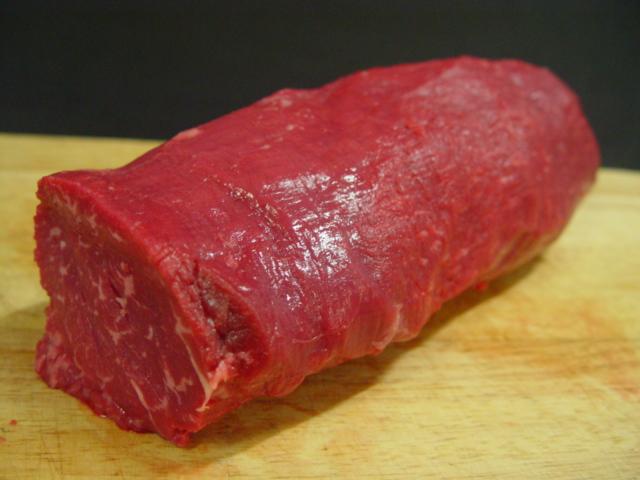
 Here in Dubai, most places prefer cash payment. We always pay for groceries with cash. Converting Durhams per kilogram to dollars per pound is not an easy task. Hence I bought some $24/pound steak the other day. But that is another story. So we pay AED 150 - 200 every time we go to the grocery store, which is about 2 - 3 times per week. So it feels like we are paying so much money. In reality, that's only about $40 - $65 for the two of us and it lasts a few days. Still, paying with cash really makes you rethink those impulse purchases. And when they say $45 please, you feel worse about giving away cash than handing over a credit card. I plan to continue paying with cash when I get back to the states.
The No-Car Diet
 This applies more to me than Ben. Ben usually drives me to school in the morning, drops me off, then heads to work. In the afternoon, I often walk to the metro, or walk to a place that makes it much easier for Ben to pick me up. Some days I walk about a mile, other days I walk about 2 1/2 miles depending on if Ben picks me up, and where I meet him in the evening if he does pick me up. In addition to that, we live in an area that is very walker-friendly. We walk to the grocery store (~3/4 mile), the beach (~1/4 mile), the metro (~1/3 mile), and many restaurants and bars (1/4 - 1 1/2 miles). Living in an area where things are close can help increase your activity level by encouraging foot transportation. Relying on public transportation can be good for your health and your wallet. If I take the metro, I must walk about one mile and it costs me AED 4.10 (about $1.20) each way. To drive, we pay three tolls of AED5 just to get to my school; and the gas should theoretically be much cheaper than it actually is here. So pretend like you don't have a car for a week and see how it goes! Remember, if you lose a couple pounds during this week, you are very likely to put that weight back on if you stop pretending you don't have a car.
The Cash-Only Diet
Studies have shown that paying for groceries in cash can reduce the chances of impulse purchasing. Impulse purchases are often junk food, so this 'diet' can be helpful to your wallet and waist line. When you pay in cash, you are more likely to look at the price tag, more likely to add up the total cost in your head before getting to the cash register.
 Here in Dubai, most places prefer cash payment. We always pay for groceries with cash. Converting Durhams per kilogram to dollars per pound is not an easy task. Hence I bought some $24/pound steak the other day. But that is another story. So we pay AED 150 - 200 every time we go to the grocery store, which is about 2 - 3 times per week. So it feels like we are paying so much money. In reality, that's only about $40 - $65 for the two of us and it lasts a few days. Still, paying with cash really makes you rethink those impulse purchases. And when they say $45 please, you feel worse about giving away cash than handing over a credit card. I plan to continue paying with cash when I get back to the states.